
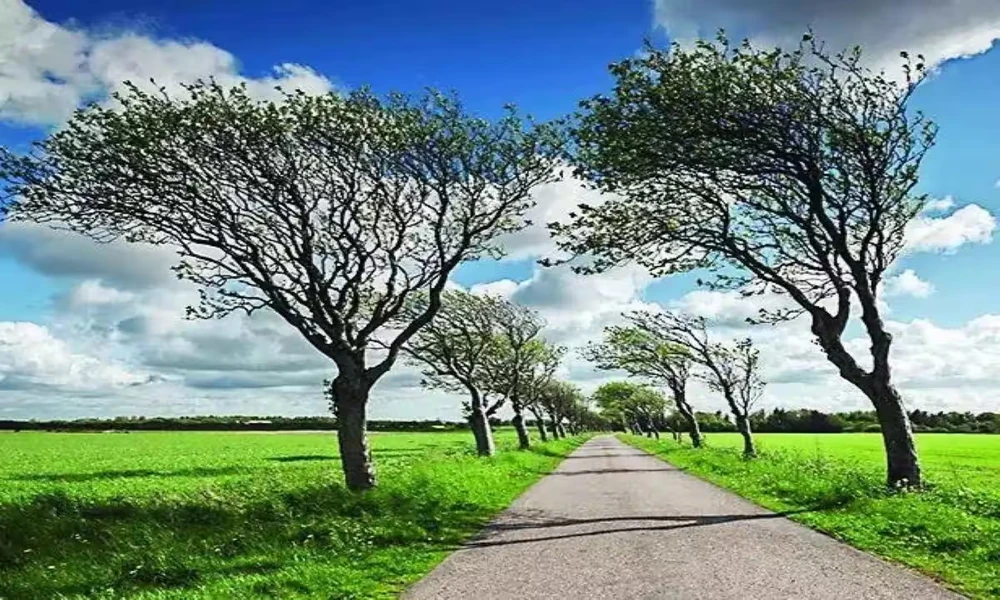
Every Portland street has one. A tall Douglas fir or a heavy old maple that everyone agrees is probably fine, right up to the night it isn’t. If you want a second opinion on a tree like that, a family run crew such as NW Premier Tree Services Portland can walk your property, quote it for free and pick up the phone at any hour, with 15 years of hands-on work behind them and full licensing, bonding and insurance. A good arborist works best with a homeowner who has already done some looking, though, so here is how to do that looking yourself.
Start at the dirt, not the leaves
Most of us size up a tree by looking up. The canopy is where the beauty is, so that is where our eyes go. But when a Portland tree fails, the story usually begins underground. Our autumns bring days of steady rain, and the soil around a root plate turns into something close to pudding. A tall tree with a shallow root system, which describes plenty of Douglas firs on city lots, is then asking a very small patch of wet earth to hold up a very large sail.
So crouch down and study the soil on every side. Fresh cracks in the lawn, a slight mound on one side, or a trunk that leans more than it did last year all deserve attention. Mushrooms or shelf fungus hugging the base can point to decay you will never see from the sidewalk.
A five minute lap around the yard
Once the ground has been checked, walk a slow circle with your phone camera. You are not diagnosing anything. You are collecting observations that make a later conversation with a professional faster and cheaper.
- Photograph the trunk from two sides, then compare against old pictures if you have them. A new lean is worth noting.
- Look for long vertical cracks, weeping sap, or bark falling away in patches.
- Find any spot where two trunks split from a single point. A tight V shaped union traps bark inside the crotch and tends to split under load.
- Scan for dead branches, especially above roofs, driveways and play areas.
- Think about what changed nearby. A new trench, a freshly cleared neighboring lot or a raised patio can all stress roots.
- Check whether any limb brushes a service line. That one belongs to the utility company, never to your ladder.
Write down anything that makes you wince. A tree you feel unsure about is worth a professional look, and an honest crew will tell you whether it needs work now, later, or not at all.
Meet the usual suspects
Different species fail in different ways, and knowing the local cast helps you read the warning signs.
- Douglas fir. Grand and fast growing, but a fir that once stood in a forest and now stands alone after a subdivision cleared its neighbors has lost its wind protection.
- Bigleaf maple. Heavy, spreading limbs, often hollow with age and cloaked in moss. Old pruning wounds can hide rot behind a healthy looking face.
- Western red cedar. Browning tops and thinning crowns after a hot, dry summer usually signal stress, not a passing mood.
- Red alder. Quick to grow and quick to age. The wood is brittle, and decay sets in early.
- Ornamental cherry and plum. Smaller, so the stakes are lower, but canker and storm splitting are common, and they matter if the tree sits beside a bedroom window.
The paperwork nobody mentions until the saw is warming up
Portland takes its canopy seriously. In general, a private tree 12 inches or more across, measured about 4.5 feet above the ground, needs a permit before it comes down. Street trees, the ones in the strip between sidewalk and curb, have their own permit rules for pruning, planting and removal. Applicants are asked to mark each tree with yellow tape around the trunk at that same height, so the city knows exactly which one is under discussion.
Dead, dying or dangerous trees often follow a faster path than healthy ones, and fees tend to be modest compared with the cost of the work itself. Still, rules change and every lot is a little different, so confirm the details with the city before anyone fires up a chainsaw. If you live under an HOA, check that too. Their approval is separate from the city’s.
The urban forestry team also publishes plain language guidance on getting trees ready for winter, along with a list of vetted local tree care providers.
Why timing matters more than most people think
Autumn is the sweet spot for a hazard check. The ground is still workable, crews have not yet been swamped by storm calls, and you can see which branches are truly dead before the leaves finish dropping. Once the first big windstorm hits, every reputable company in the metro area gets busy at once, and a routine job turns into a waiting list.
Pruning deserves the same patience. Removing deadwood, thinning crossing limbs and trimming back weight over a roof can all be done in the dormant months, when bare branches make the structure easy to read. The general rule among arborists is to take no more than about a quarter of the live crown in a single season. Topping, which means chopping a tree back to stubs, is the opposite of care. It invites decay and sends up weak, fast growing shoots that fail more easily than the limbs they replaced.
What to ask before anyone climbs your tree
A friendly estimate means little if the paperwork behind it is thin. Before you say yes to anyone, ask a few direct questions.
Does someone on the crew hold a certified arborist credential? Can they show proof of liability insurance and workers compensation, as well as a valid contractor license? Will the written quote spell out exactly which trees or limbs are coming off, whether cleanup and hauling are included, and what happens with the stump? It is also fair to ask about the wood and chips. Many homeowners are glad to keep the mulch for garden beds and send the rest along.
Pay attention to how the person talks about the tree as well. Someone who explains your options, including the option of doing less, is usually someone who cares about the outcome more than the invoice.
A long conversation with something that outlives the mortgage
A tree is not a one time purchase. It is a slow relationship, and the people who get the best from it are the ones who check in regularly, ask small questions early and avoid big emergencies late. Walk your yard this week while the weather is still kind. The tree you worry about for five minutes today may be the one you never have to worry about at three in the morning.