
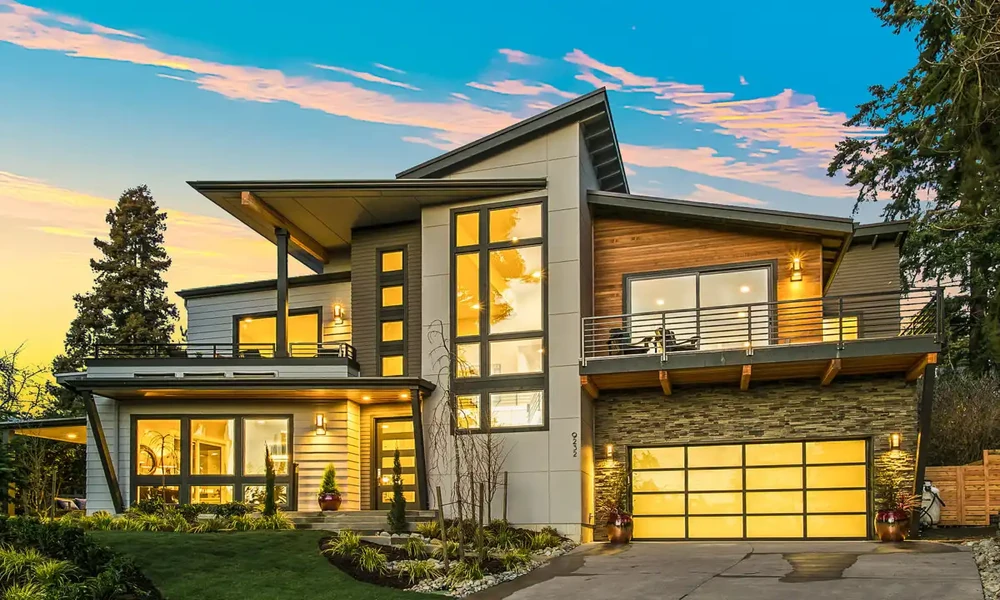
Buying a newly constructed property can be an exciting opportunity for homebuyers who want modern layouts, updated features, and fewer immediate maintenance concerns. However, choosing between different properties requires more than comparing asking prices and attractive interiors. Buyers should carefully evaluate how each home was designed, the quality of its construction, the location, and its long-term value.
Understanding the details of spec home construction can be especially helpful when comparing newly built properties. Spec homes are generally constructed by builders based on anticipated buyer demand rather than according to the plans of a specific homeowner. Because builders make many design and material decisions in advance, buyers need to pay close attention to what is included and how well those choices match their needs.
Understand the Concept of Spec Homes
Before comparing properties, it is important to understand what makes a spec home different from a custom-built property.
A spec home is constructed without a particular buyer already committed to the project. The builder typically chooses the floor plan, finishes, fixtures, appliances, and other features based on market expectations.
This approach can make purchasing a new home more convenient because much of the design and construction process has already been completed. However, buyers have less control over customization. Therefore, comparing the actual features and quality of different properties becomes particularly important.
Compare Floor Plans Carefully
The floor plan should be one of the first factors considered when comparing homes. Two properties can have similar square footage but provide very different living experiences because of how their rooms are arranged.
Consider the size and placement of bedrooms, bathrooms, kitchens, living areas, and storage spaces. Think about how easily people can move through the home and whether shared areas provide enough room for everyday activities.
Buyers should also consider future needs. A flexible room that can function as an office, guest room, playroom, or study area can provide more long-term value than a space designed for only one purpose.
Evaluate the Quality of Construction
The appearance of a new property can create a strong first impression, but buyers should look beyond decorative finishes. The quality of spec home construction can affect durability, maintenance requirements, energy performance, and overall satisfaction.
Ask the builder about the materials used for roofing, insulation, windows, flooring, siding, cabinets, and other important components.
Pay attention to visible workmanship as well. Doors should open and close properly, windows should operate smoothly, cabinets should be aligned, and surfaces should show consistent finishing.
An independent home inspection can also help identify issues that may not be obvious during a casual walkthrough.
Examine the Materials and Finishes
Builders often select finishes that appeal to a broad range of buyers. However, the quality of those materials can vary considerably between properties.
Compare flooring, countertops, cabinetry, plumbing fixtures, lighting, appliances, doors, and other finishes. Ask which products or manufacturers were used and whether specific features are standard or upgraded.
A property with fewer decorative upgrades may actually offer better long-term value if its fundamental materials and systems are of higher quality.
Look at Energy-Efficient Features
Energy efficiency can influence both comfort and household expenses. When comparing spec homes, examine the insulation, windows, heating and cooling systems, appliances, and lighting.
Modern construction may include energy-efficient windows, improved insulation, efficient HVAC equipment, and LED lighting. These features can help maintain comfortable indoor temperatures and potentially reduce energy consumption.
Do not simply assume that every newly constructed property offers the same level of efficiency. Ask for specific information about the home’s systems and energy-related specifications.
Consider Storage and Functionality
Storage is another factor that can significantly affect everyday living. A home may look spacious during a viewing but become difficult to organize if there is not enough storage.
Check the size of closets, kitchen cabinets, pantries, garages, linen closets, and other storage areas. Consider where you would keep seasonal items, cleaning supplies, clothing, sporting equipment, and household tools.
Functional features such as a mudroom, laundry room, walk-in pantry, or built-in shelving can also improve convenience.
Assess the Kitchen
The kitchen is often one of the most important areas in a home. When comparing properties, look beyond the color and style of the cabinets.
Evaluate countertop space, storage capacity, appliance placement, lighting, and the overall workflow. If multiple people regularly use the kitchen, make sure there is enough room to move comfortably.
Buyers who enjoy entertaining may prefer an open kitchen connected to the dining and living areas. Others may prioritize a more separated layout.
The best kitchen is not necessarily the most luxurious one; it is the one that works well for the household.
Review Bathrooms and Utility Areas
Bathrooms should also receive careful attention. Check the quality of fixtures, available storage, ventilation, lighting, and overall space.
Utility areas deserve consideration as well. Examine the laundry room, mechanical spaces, garage, and other service areas. These spaces may not be the most visually impressive parts of the home, but their functionality can have a major impact on daily convenience.
Ask about the location and accessibility of major systems such as the water heater, electrical panel, HVAC equipment, and plumbing connections.
Compare Outdoor Spaces
Outdoor areas can add valuable living space and influence a property’s maintenance requirements. Compare yards, patios, decks, driveways, fencing, landscaping, and drainage between properties.
Think about how you plan to use the outdoor space. Families may want room for children or pets, while other buyers may prefer a smaller, low-maintenance yard.
Drainage is particularly important. Water should move away from the home’s foundation, and there should be no obvious areas where water can collect after rainfall.
Research the Builder
The reputation and experience of the builder should be part of your comparison. Research previous projects and look for information about construction quality, customer service, and how the company responds to problems.
If possible, visit other completed properties from the same builder. Seeing homes that have been occupied for some time can provide useful insight into how their construction performs beyond the initial walkthrough.
A builder’s warranty and post-sale support should also be reviewed before making a decision.
Consider the Location
A home should be evaluated together with its surrounding neighborhood. Compare access to schools, shopping, healthcare, employment centers, parks, transportation, and other important amenities.
Think about commuting times and how convenient the location will be for your daily routine.
It is also worth researching planned development in the surrounding area. Future roads, commercial projects, community facilities, or other changes may influence the property’s long-term convenience and appeal.
Understand the Total Cost
The purchase price is only one part of the cost of owning a home. Buyers should also account for closing costs, property taxes, insurance, utilities, maintenance, and possible upgrades.
When comparing spec homes, determine whether each property requires additional spending after purchase. A lower-priced home may become more expensive if it needs immediate improvements.
Financing should also be considered early. Buyers and builders looking for information about financing options can explore resources such as builderfinance.com when planning for construction-related financial needs.
A realistic budget can help buyers compare properties based on their true overall cost rather than the advertised price alone.
Review Warranty Coverage
Newly constructed homes may come with builder warranties, but coverage varies. Buyers should understand what is protected, how long coverage lasts, and what process must be followed when reporting a problem.
Review warranty documents carefully before closing. A clear warranty can provide additional confidence, but it should not replace an independent inspection.
Think About Future Resale Value
Even if you plan to live in the property for many years, it is useful to consider its potential future appeal. Factors such as location, floor plan, storage, energy efficiency, construction quality, and overall condition can influence resale value.
Homes with practical layouts and broadly appealing features may have an advantage when the time comes to sell.
Final Thoughts
Comparing spec homes requires careful attention to far more than appearance. Buyers should evaluate floor plans, construction quality, materials, energy efficiency, storage, kitchens, bathrooms, outdoor spaces, location, builder reputation, warranties, and total costs.
Understanding the details of spec home construction can help buyers identify meaningful differences between properties and avoid choosing a home based solely on cosmetic appeal.
By researching each property carefully, arranging an independent inspection, and considering both current and future needs, buyers can select a newly constructed home that offers comfort, functionality, quality, and long-term value.